
Why Does Mopping Leave Spots and Streaks on My Floors in Holly Springs, NC?
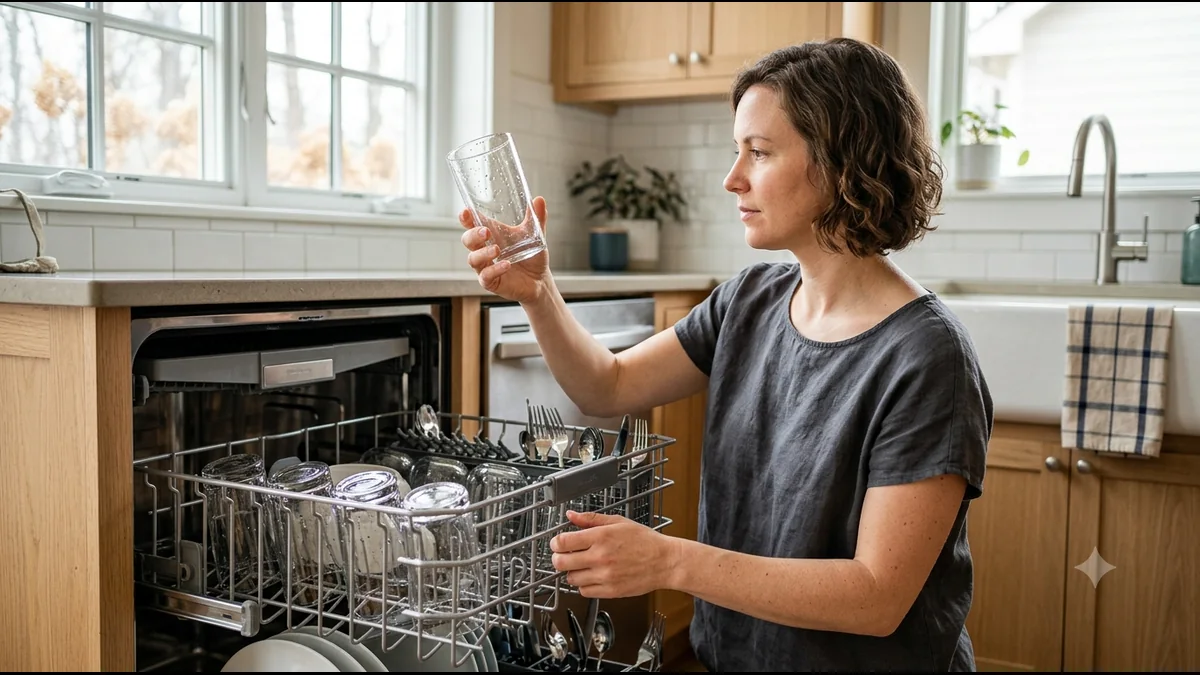
Direct answer: Mop water evaporates and leaves its minerals on the floor, and those minerals combine with floor cleaner the way they combine with soap in a shower — forming a residue that reads as streaks or a dull film. Re-mopping with that water re-deposits it, which is why the haze never clears. An all-in-one whole-home system that softens the water stops the residue from forming, so the same cleaner rinses clean.
Why Does Mopping Leave a Dull Film or Streaks on My Floors?
Because the water doing the mopping is leaving something behind, not because the floor was dirty to begin with. Mop water carries dissolved minerals — mainly calcium and magnesium — and as that water dries on hardwood, tile, or laminate, the water itself evaporates but the minerals it was carrying do not. They stay on the surface. On their own, those mineral deposits can already read as a light haze once the water is gone. The bigger issue is what happens when they meet floor cleaner: the minerals react with the cleaner's surfactants the same way they react with soap on skin in a shower, forming an insoluble residue instead of rinsing away. That residue is what shows up as streaks under angled light or a dull, cloudy film across the whole floor. It's a mineral-and-cleaner reaction, not a sign the floor wasn't scrubbed hard enough.
Why Does the Streaking Come Back No Matter How Many Times I Re-Mop?
Because the water used to mop again is the same source of the problem, so re-mopping mostly just re-deposits what it's supposed to remove. Each pass wets the floor with more mineral-carrying water, picks up some of the existing film, and then leaves a fresh layer behind as it dries — a wash that never nets out to actually clean. Homeowners often respond by adding more cleaner, mopping more often, or switching cleaning products, and the film comes back anyway, because none of those changes the water itself. The only way to stop the cycle is to change what's in the water before it ever touches a mop bucket.
Is This Actually Caused by Hard Water in Holly Springs?
It's the mechanism behind hard water spotting, though Holly Springs is a specific case worth being precise about. Holly Springs is served by Harnett Regional Water, drawing from the Cape Fear River — a surface-water source. Unlike some neighboring towns, there's no published hardness figure for Holly Springs' water anywhere, so it isn't accurate to state a specific number for what comes out of a Holly Springs tap. That gap is exactly why guessing isn't useful here: the honest answer is that calcium and magnesium levels vary by address, and the only way to know what your own water is doing to your floors is to test it. A free water analysis reads your specific tap; for a DIY check between now and then, the Hach Total Hardness Test Kit, Model 5-B, reports results in grains per gallon (gpg) on the same scale water-treatment professionals use.
What's the Difference Between Mopping With Softened Water and Untreated Water?
| Mopping with untreated water | Mopping with softened, filtered water | |
|---|---|---|
| Film after the floor dries | Dull, hazy residue as water evaporates | Dries without leaving mineral residue behind |
| Streaks under angled light | Visible swirl or streak marks from the mop pattern | Cleaner rinses off instead of drying on the surface |
| Effect of re-mopping | Redeposits minerals, film often looks the same or worse | Each mop pass actually removes what came before it |
| Cleaner needed per mopping | More product used to try to cut through the haze | Less cleaner needed for the same result |
| Where else it shows up | Same residue on shower glass, faucets, and dishes | Same improvement across fixtures, glassware, and dishes |
Every row describes a mineral-and-cleaner reaction on a hard surface — the same chemistry covered in white residue on faucets and glasses, just on flooring instead of glass.
Does This Damage Hardwood Floors, or Is It Just Cosmetic?
For the purposes of this article, it's a cosmetic and cleaning problem — a residue on the surface, not a structural claim about wood damage, and that's the honest scope of what mineral film does. What it does affect is how much time and product goes into keeping floors looking clean. A floor that streaks every time it's mopped means more frequent mopping, more cleaner per session, and more time spent trying to buff out a haze that keeps returning, because the water supplying every one of those moppings is depositing minerals again as fast as it's wiped away.
What Actually Stops the Residue From Forming?
Softening the water before it reaches a mop bucket, sink, or dishwasher removes the calcium and magnesium that cause the reaction in the first place. An all-in-one whole-home system pairs softening resin with carbon filtration in a single install:
- Softening resin removes calcium and magnesium by ion exchange before the water reaches any tap in the house. Without those minerals in the water, there's nothing left to react with floor cleaner, dish soap, or shower soap — so the same cleaner you already use rinses clean instead of drying into a film.
- Carbon filtration handles chlorine and chloramine taste and odor, PFAS, and disinfection byproducts — everything the softening side doesn't touch. It's the other half of what a Holly Springs home's water carries, addressed in the same install.
Because it treats the water at the point it enters the house, every fixture benefits at once — mop water, dishwater, laundry water, and shower water all stop leaving the same mineral film. Pricing depends on your home's plumbing and what your address tests at, so it isn't published here; a free water analysis is how a system gets sized and quoted. For context, national big-brand installers commonly quote $6,000 to $12,000 for comparable whole-home coverage.
What Can I Do About It Right Now, Before Getting a System?
Short of changing the water itself, a few habits reduce how much film builds up between moppings: dry the floor immediately after mopping instead of letting it air-dry, wring the mop out more thoroughly so less water sits on the surface, and use less cleaner rather than more, since excess product gives the minerals more to react with. None of these stop the underlying reaction — they only slow how fast it shows up again. That's the honest tradeoff: constant upkeep against the same water, or testing your address and prepping for a whole-home install that removes the minerals causing it.
See What's in Your Holly Springs Water
Take the 60-second water quiz to see which all-in-one system fits your home, or book a free water analysis to find out what's actually coming out of your tap — Holly Springs has no published town-wide hardness figure, so an address-level test is the only real answer. For the fuller picture of treatment options in town, see water treatment in Holly Springs, NC, and for what softened water changes elsewhere in the house, see benefits of soft water in the home.
Frequently Asked Questions
I just mopped my hardwood floors an hour ago and there's already a hazy film across all of them — what is that? That's mineral residue left behind as the mop water evaporated. Calcium and magnesium dissolved in the water don't evaporate with it; they stay on the surface, and when they've reacted with your floor cleaner, they dry into the dull, hazy look you're seeing. Re-mopping with the same water tends to redeposit it rather than clear it.
I switched floor cleaners hoping it would stop the streaking on my tile, but it's just as bad — why didn't that help? Because the streaking comes from the water, not the cleaner brand. Any cleaner mixed with water carrying calcium and magnesium will react the same way, forming the same kind of residue as it dries. Changing which product you use doesn't change what's dissolved in the water going into the bucket.
Does Holly Springs have hard water, or is this something else? There's no published hardness figure for Holly Springs specifically — the town is served by Harnett Regional Water's Cape Fear River supply, a surface source, and mineral levels can vary by address. The floor-film mechanism described here is the same one hard water causes elsewhere; the honest way to know what's happening at your address is a test, not a town-wide number.
Is this the same reason my shower glass gets that cloudy white spotting? Yes — it's the same mineral-and-cleaner reaction, just on a different surface. Water evaporates, calcium and magnesium stay behind, and they react with whatever soap or cleaner touches them next, whether that's dish soap on glassware, body wash on shower glass, or floor cleaner on hardwood.
Will a water softener alone fix the streaking, or do I need something else? Softening resin removes the calcium and magnesium that react with cleaner, which is the direct fix for the residue itself. An all-in-one system also adds carbon filtration for chlorine, chloramine, and other contaminants softening doesn't touch, so the whole-home system addresses both the floor film and the water's taste and smell in one install.
How do I find out if my water is actually the cause before I invest in anything? A free water analysis tests your specific address rather than relying on a town average that doesn't exist for Holly Springs. For a DIY check in the meantime, the Hach Total Hardness Test Kit, Model 5-B, gives a grains-per-gallon reading on the same scale professionals use.
Answer nine practical questions, then request a written quote or well-water analysis.
Start My Water Analysis